Six-Stage Hand Polish with Bo-Hi — Hear the "Sound of Wind"
Complete Katana & Tanto Daisho Pair — Unlocks Lord Sakai’s Persona
Display Stand
$15.00FREE
Sword Bag
$15.00FREE
Free worldwide shipping
30 day returns
Estimated delivery:
Sep 26 - Sep 30
Description
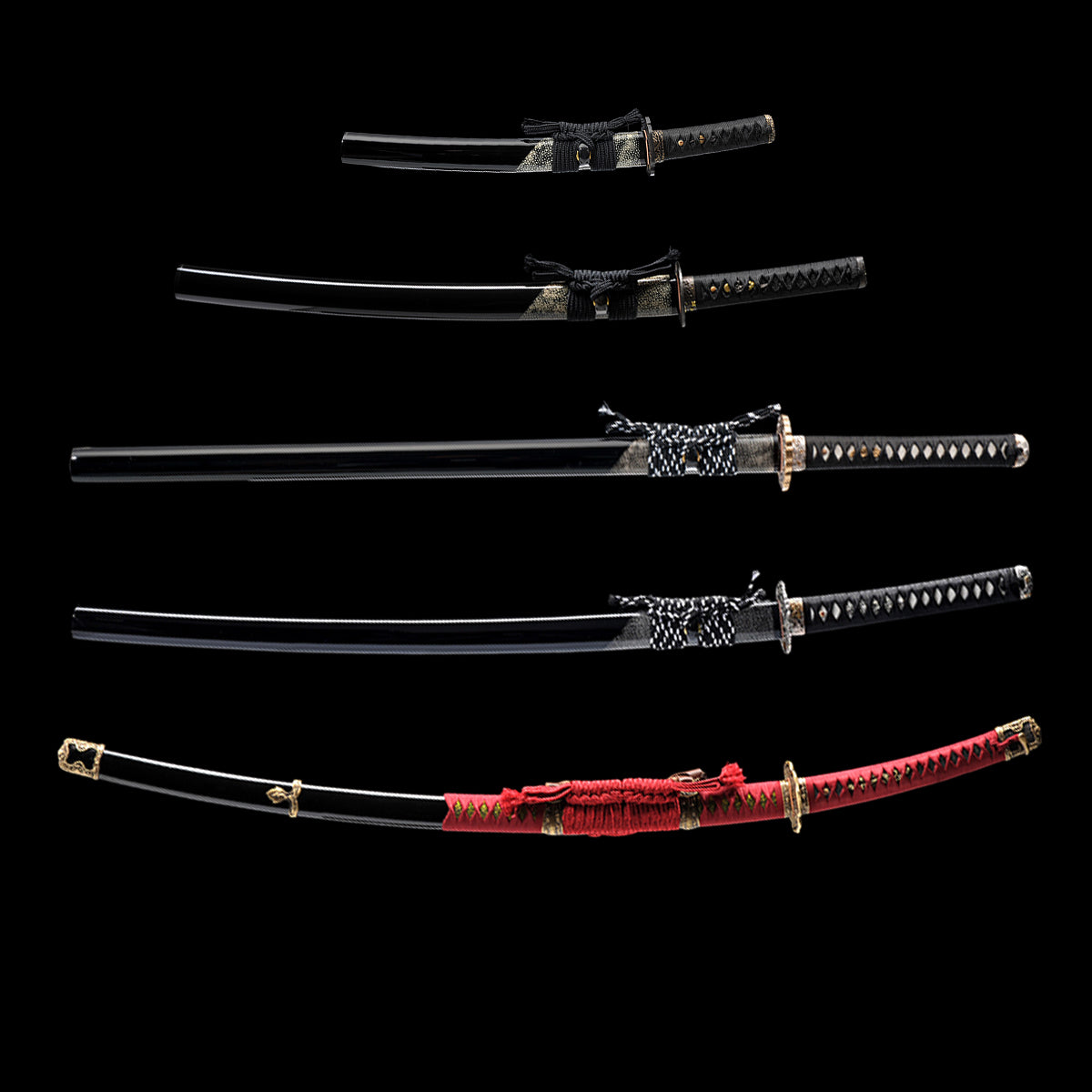
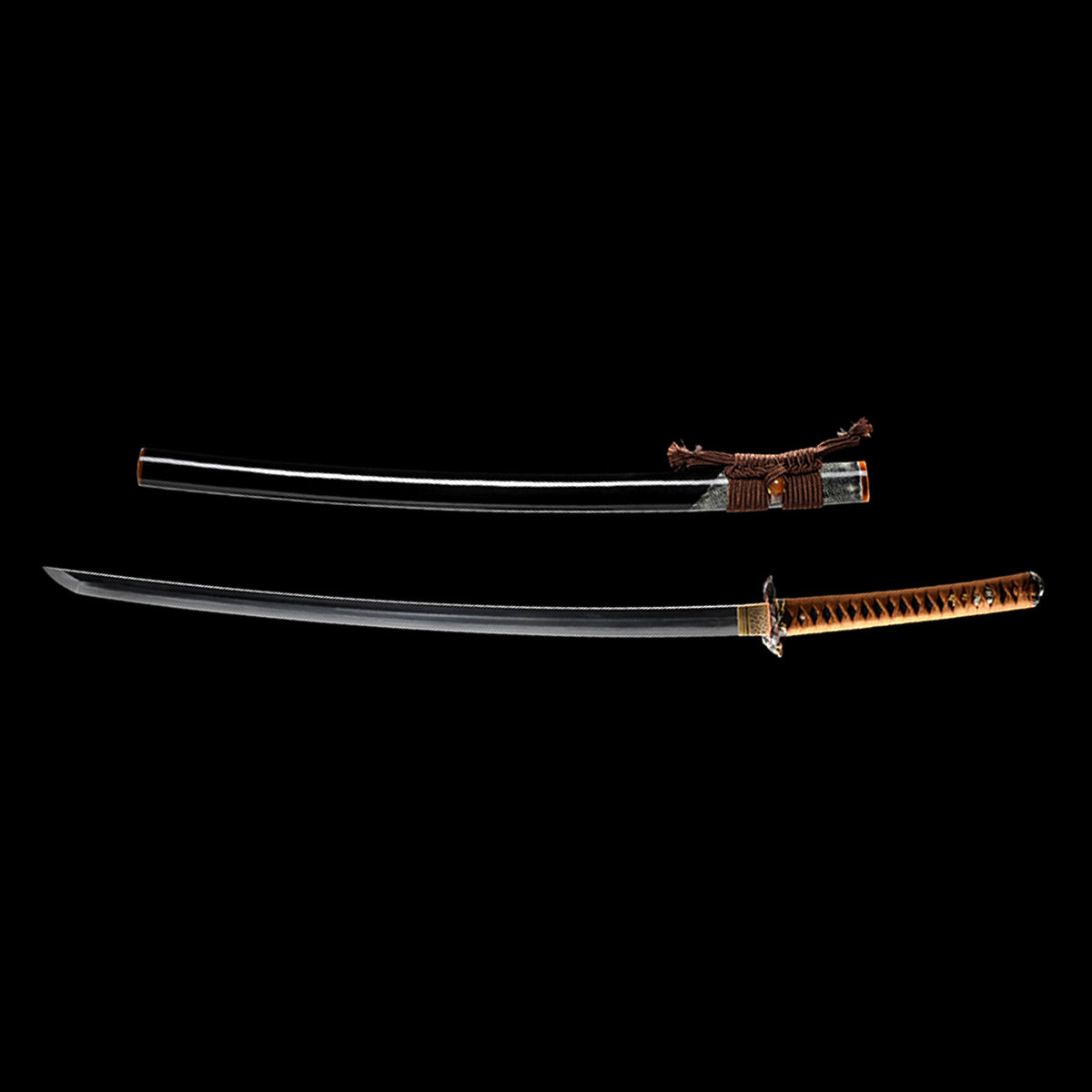
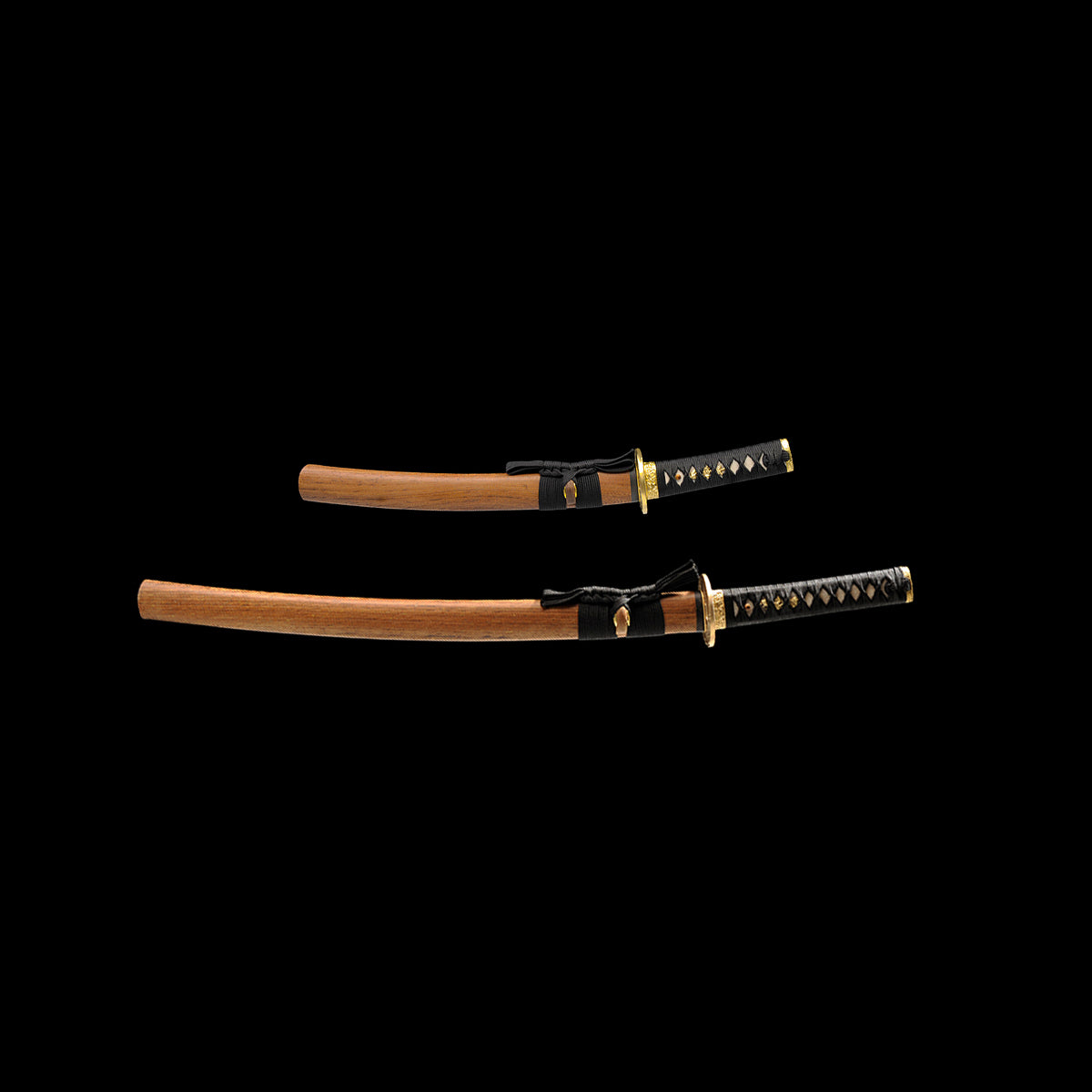
Ghost of Tsushima Jin Sakai "Storm of Sakai" Daisho Set – 1:1 Game Replica
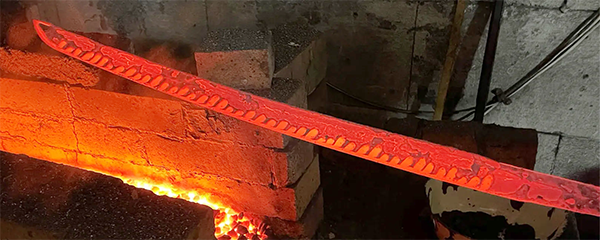
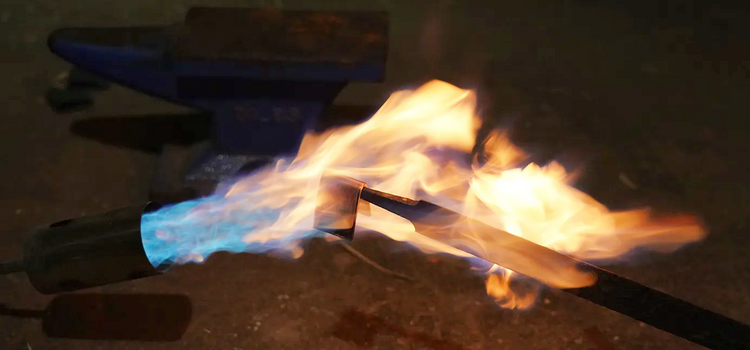
Bring the legend of Tsushima straight into your hands. Hand-forged from high-grade T10 carbon steel and oil-quenched to 58 HRC, this battle-ready Daisho set reproduces Jin Sakai’s iconic Storm of Sakai dual blades in exact 1:1 scale.
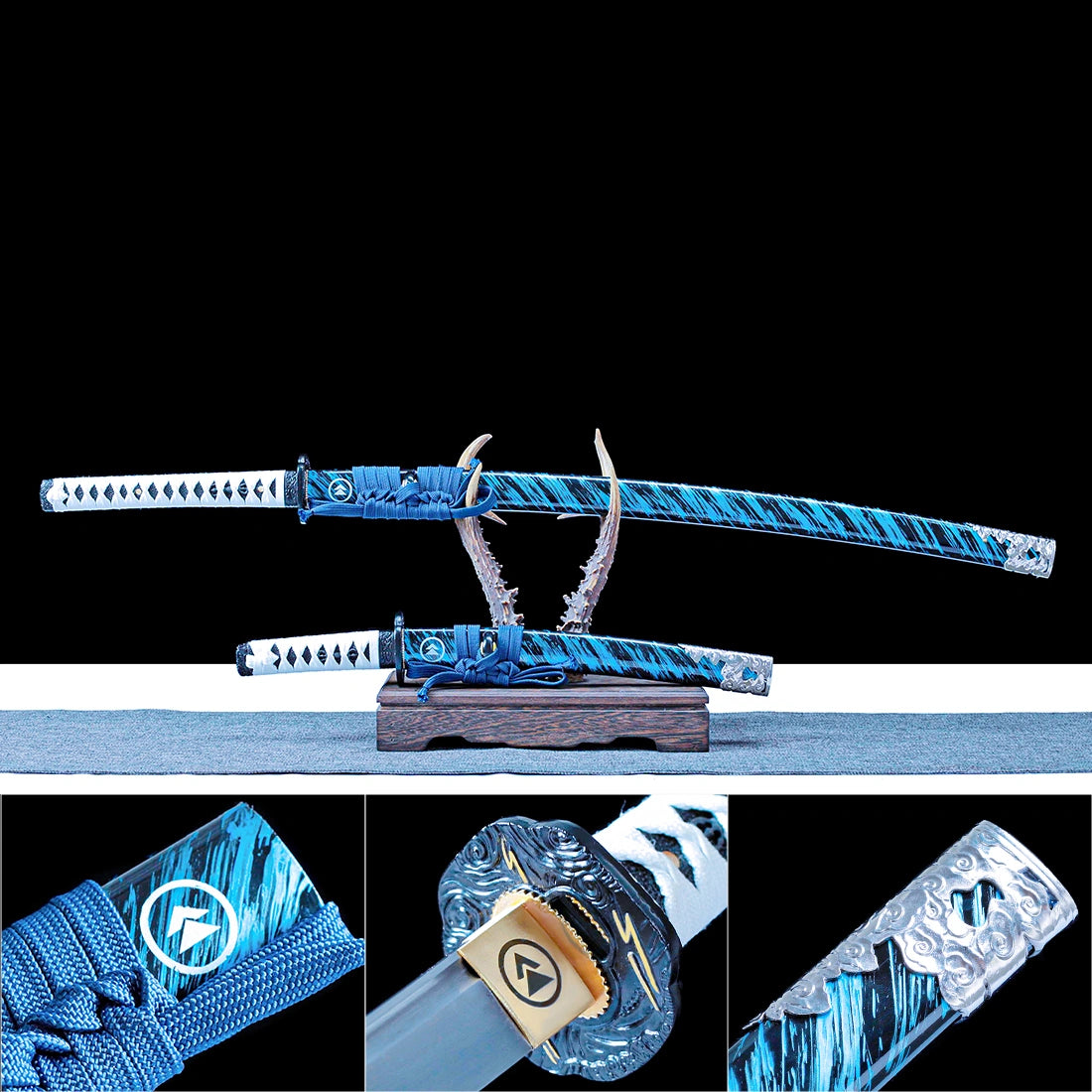
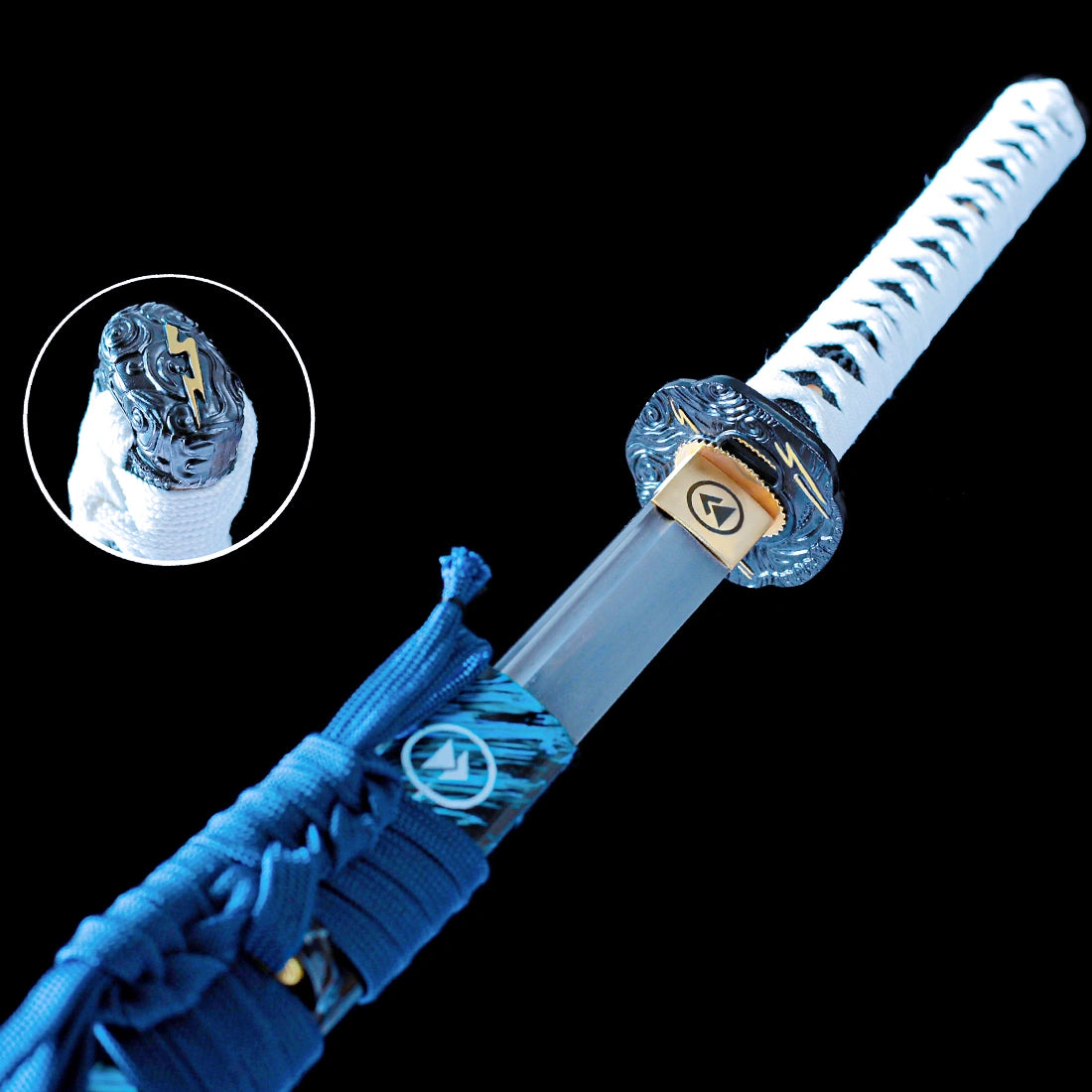
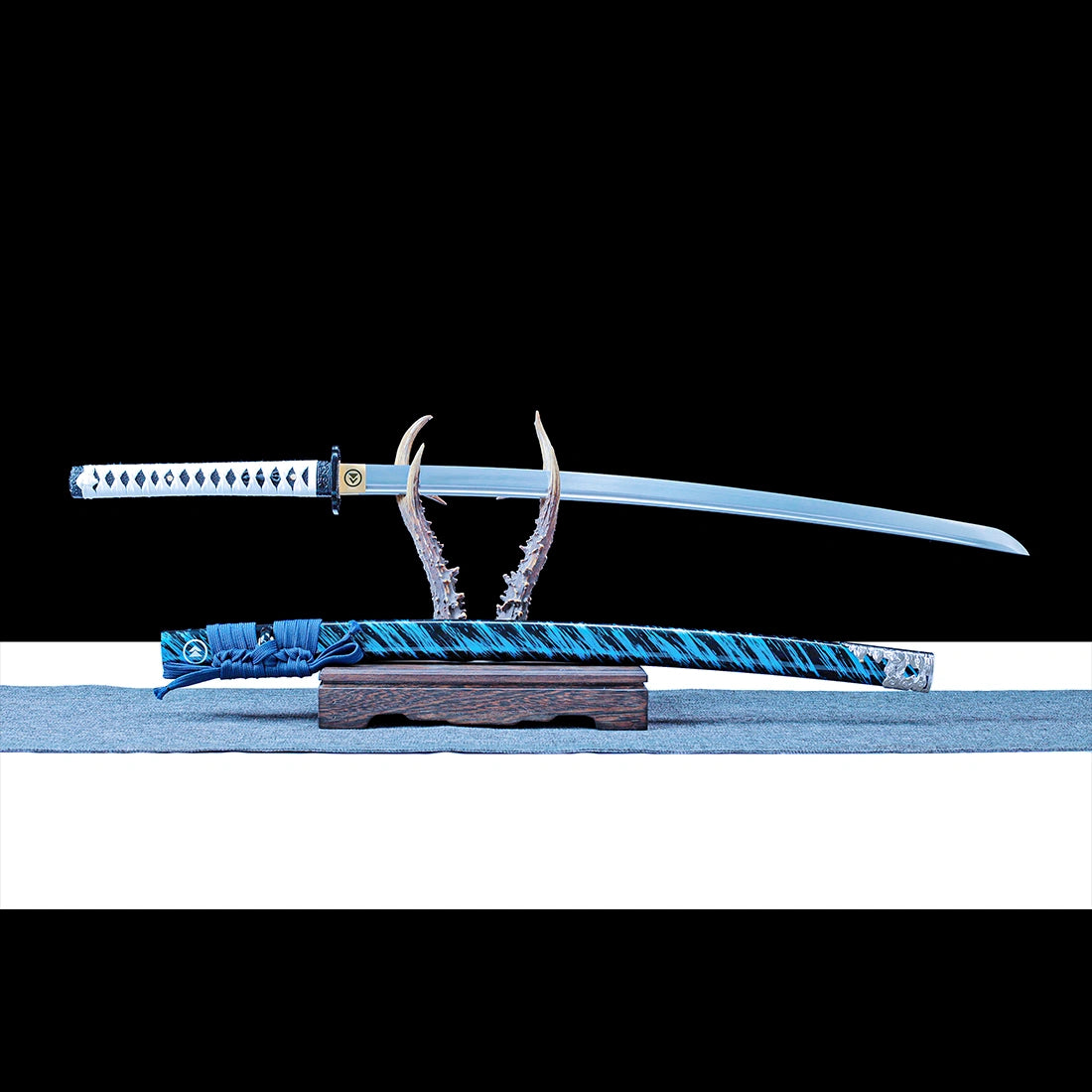
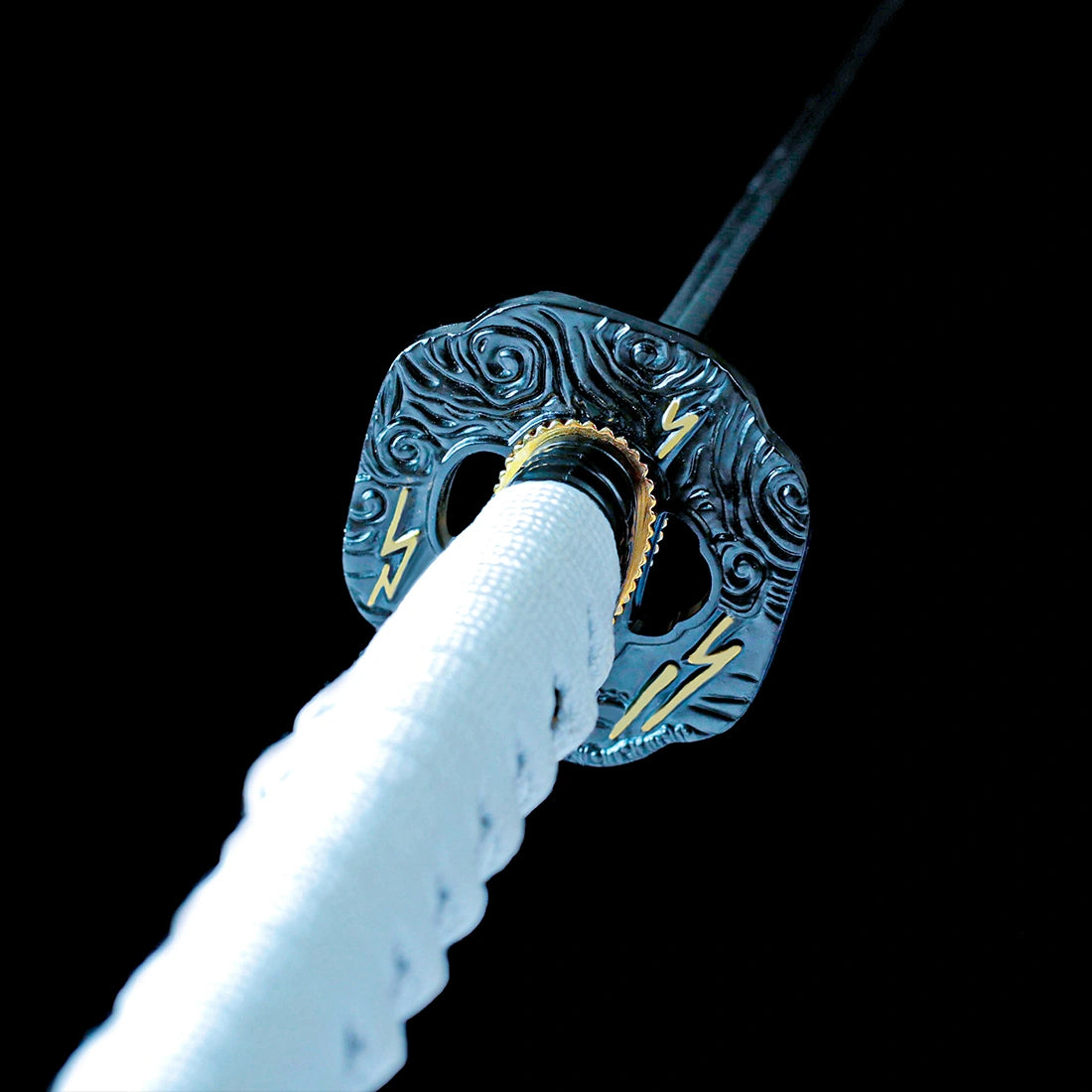
Crafted with authentic full-tang construction, each blade features a traditional six-stage hand-polished finish and a precision-grooved Bo-Hi (blood groove) that creates a loud, crisp "sound of wind" with every practice swing. Styled with game-matched custom alloy guards, classic blue geometric cord wrap (Tsuka-Ito) over white ray-skin (Samegawa), and hand-painted natural hardwood scabbards displaying electric-blue storm strokes, white cloud textures, and the golden Sakai Clan Mon—this set bridges screen-to-hand nostalgia with functional swordmithing. Built for target cutting practice, high-end cosplay, and serious collectors seeking true feudal samurai fidelity.
⚡ Key Performance & Game-Exact Features
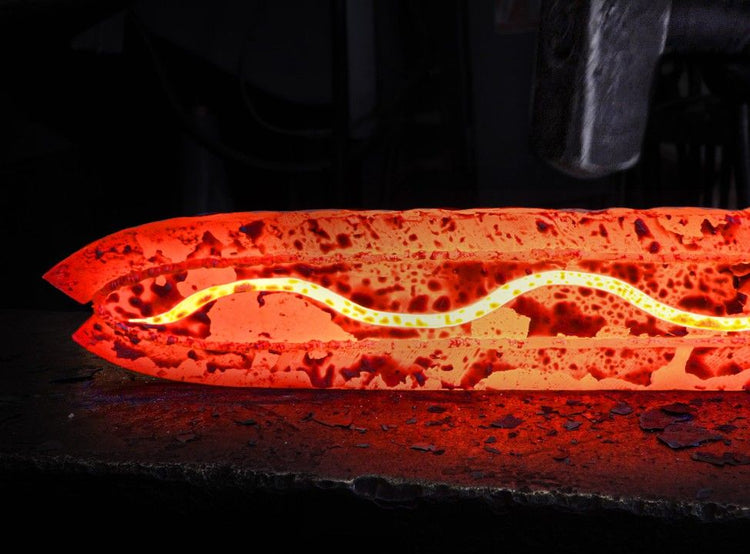
Battle-Ready T10 Carbon Steel (58 HRC) — Not a Cheap Prop: Forged from high-grade T10 steel and oil-quenched to 58 HRC. This live-blade core delivers exceptional edge retention and structural integrity for real-world target cutting without chipping—not a flimsy alloy wall-hanger.
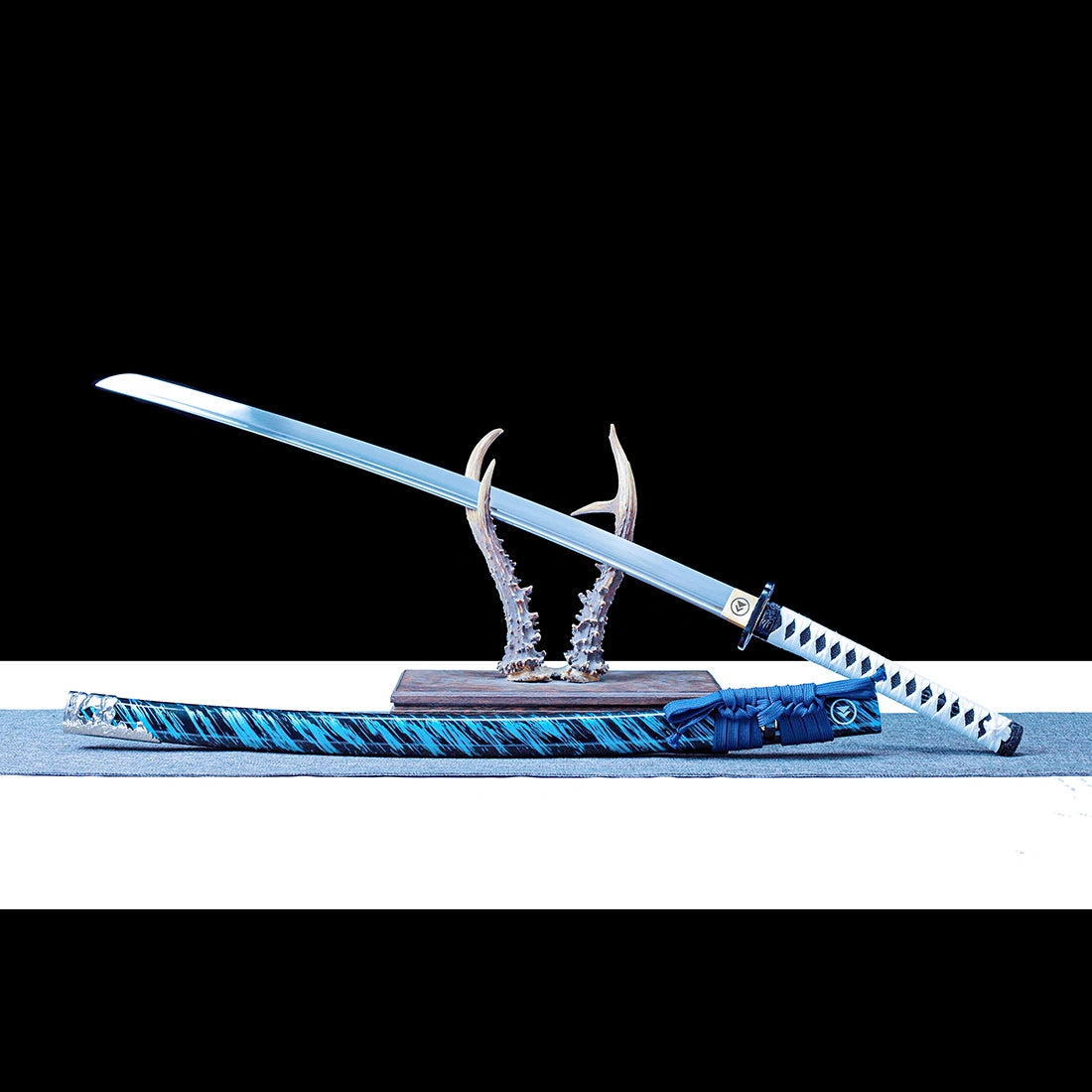
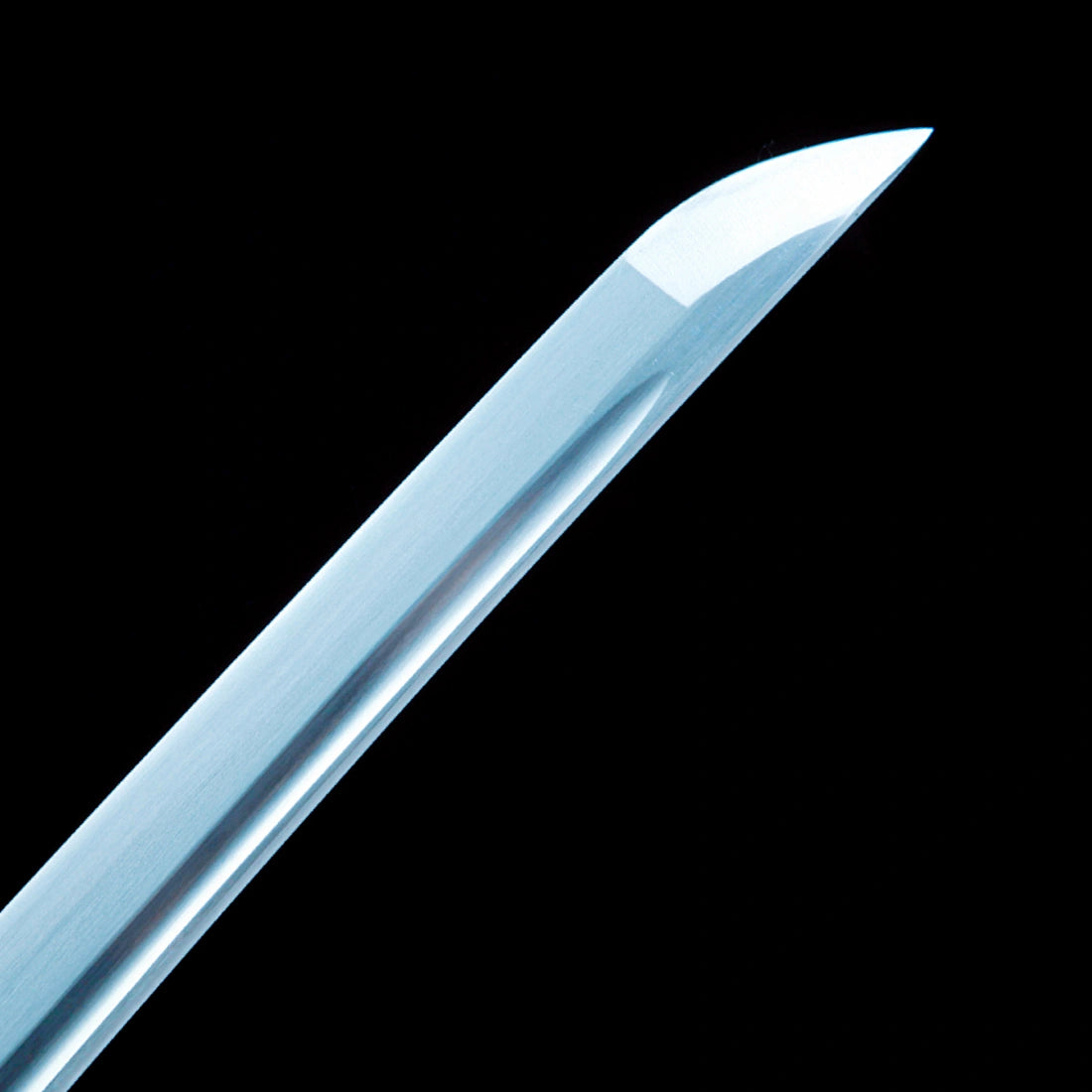
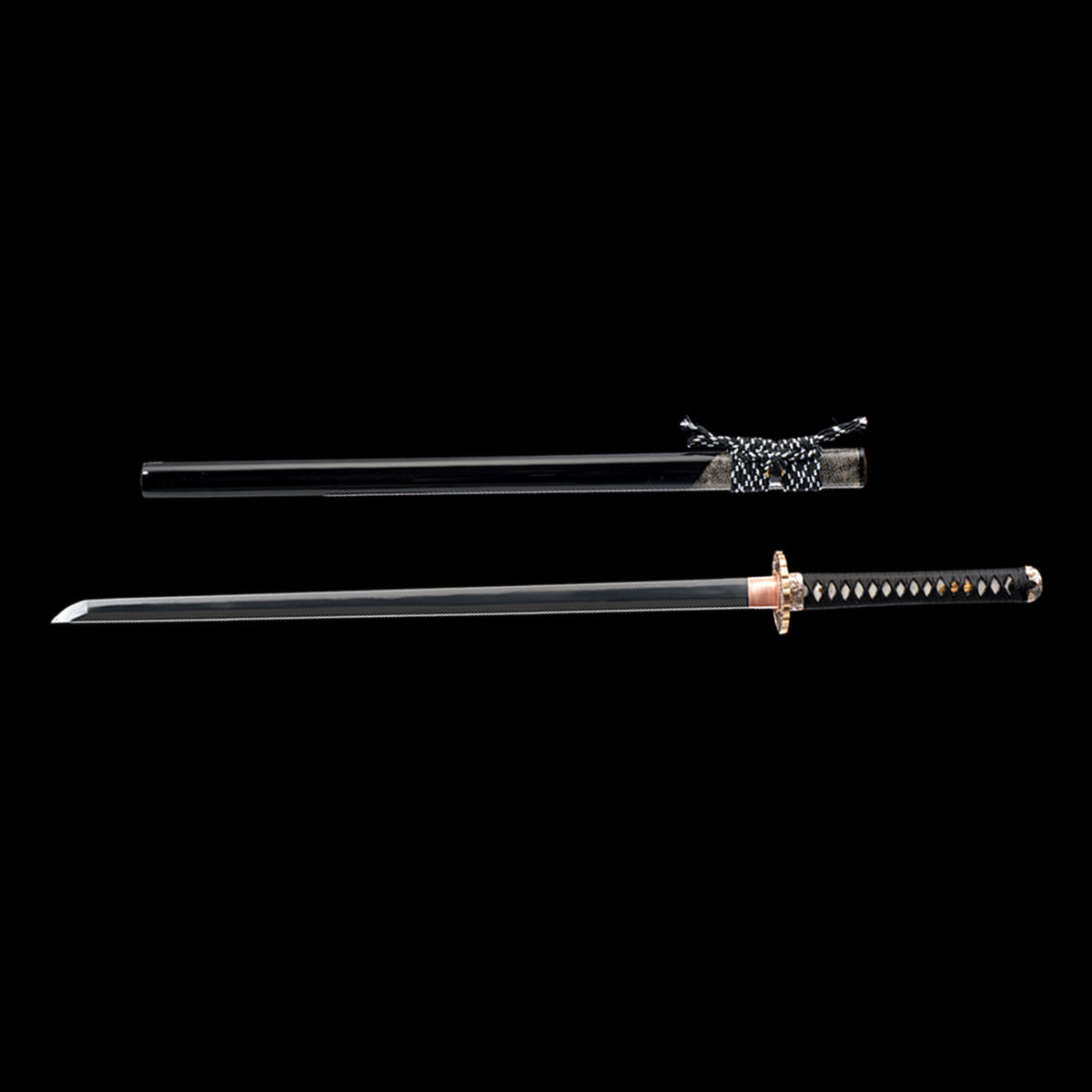
Six-Stage Hand Polish with Bo-Hi (Hear the "Sound of Wind"): Features a traditional full-length blood groove that lightens overall blade weight and shifts the balance point back toward the hilt. Every rapid swing cuts through the air with a crisp "whoosh" sound, echoing Jin’s quick-draw stance techniques.
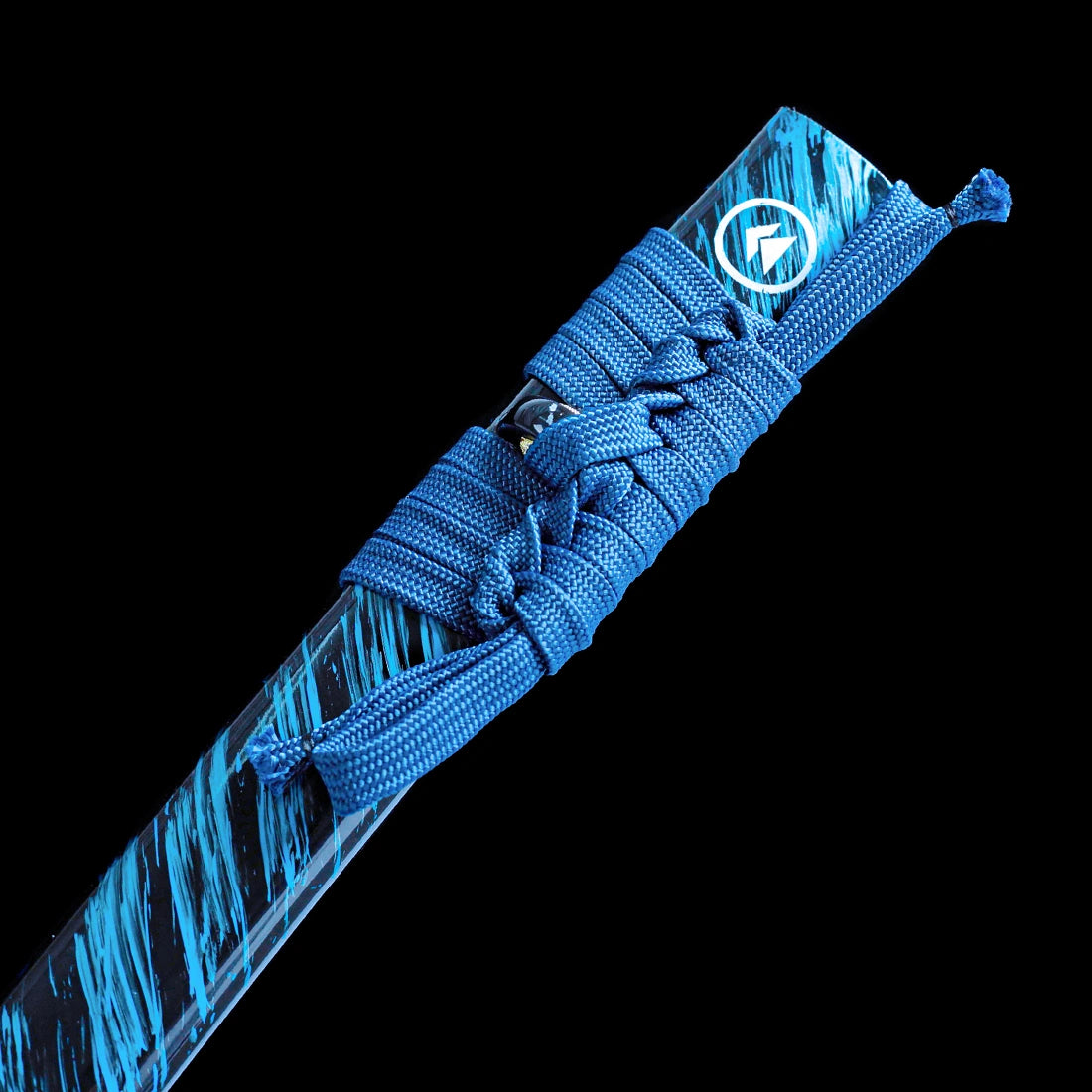
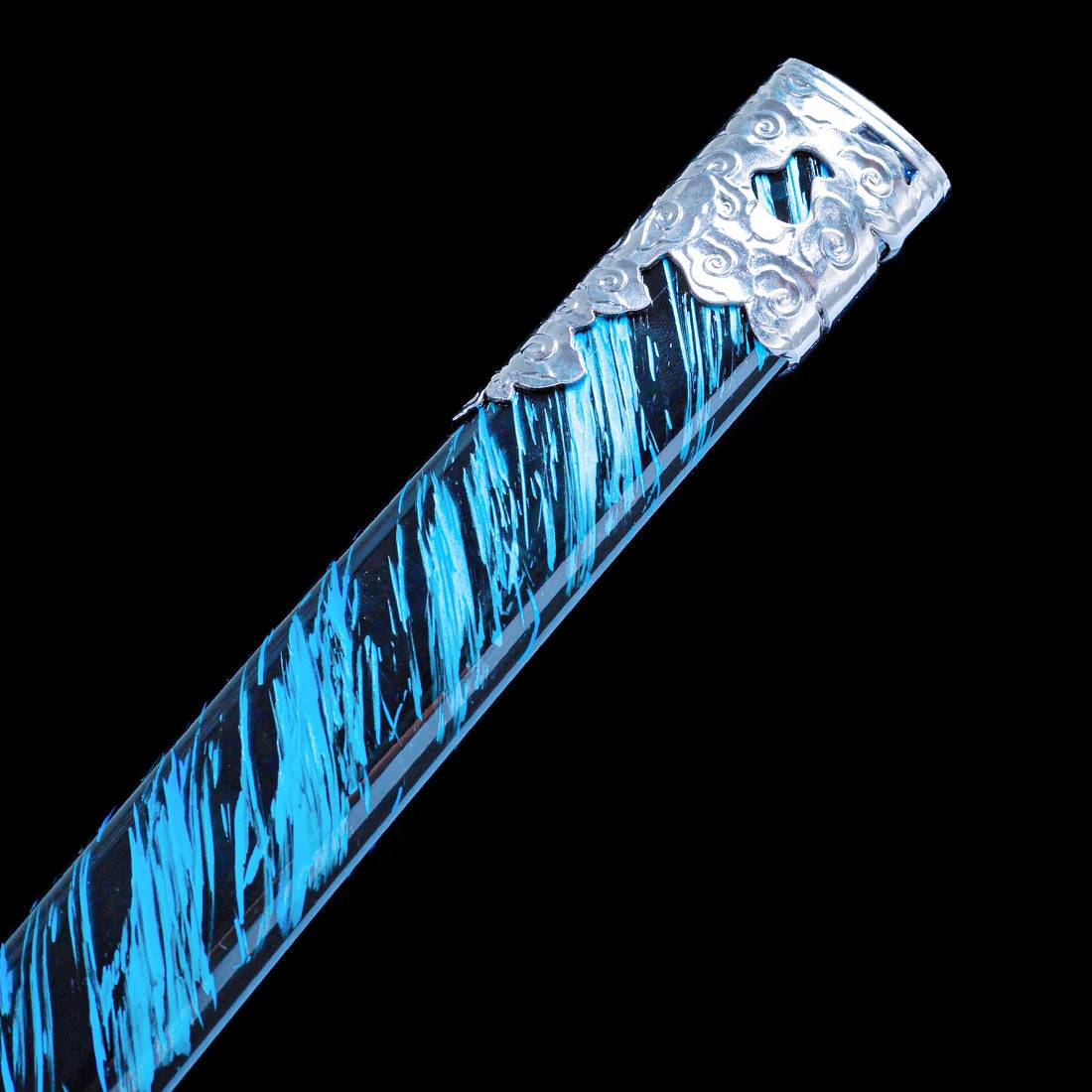
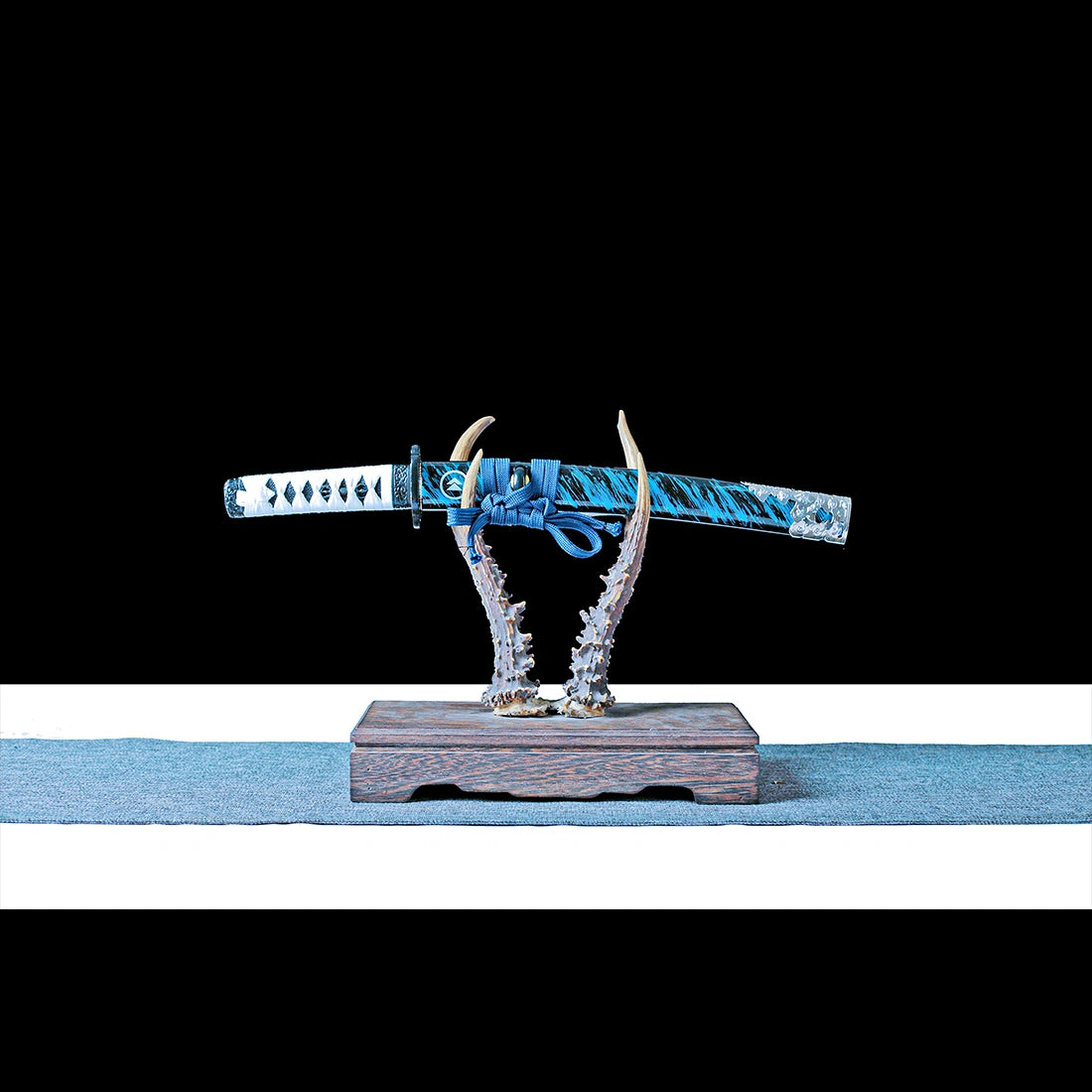
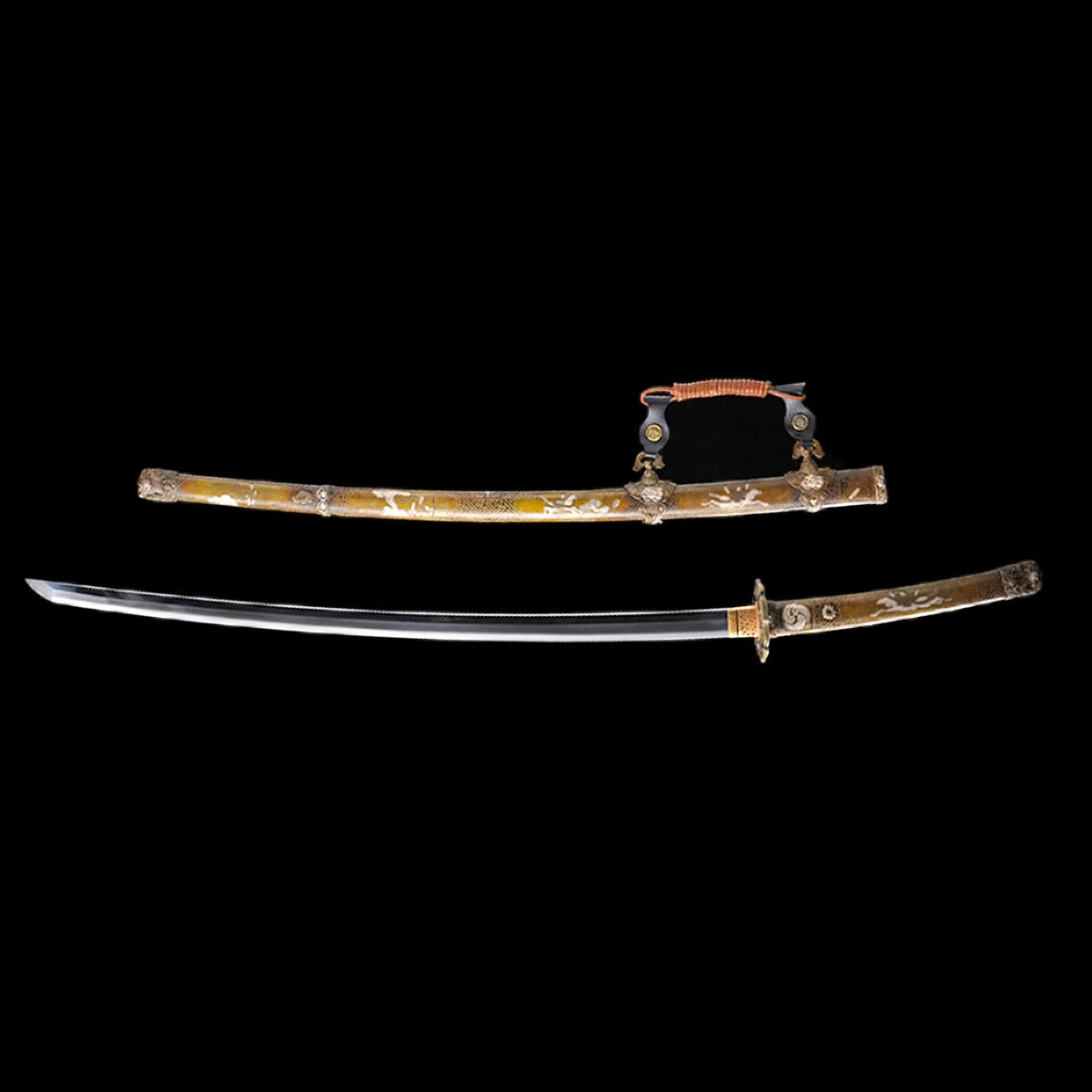
1:1 Game-Accurate Sakai Clan Mon & Storm Saya: Solid natural hardwood scabbards finished in signature high-gloss electric-blue lightning strokes, subtle cloud textures, and the official golden Sakai Clan crest at the throat—creating an instant centerpiece for your gaming sanctuary or display wall.
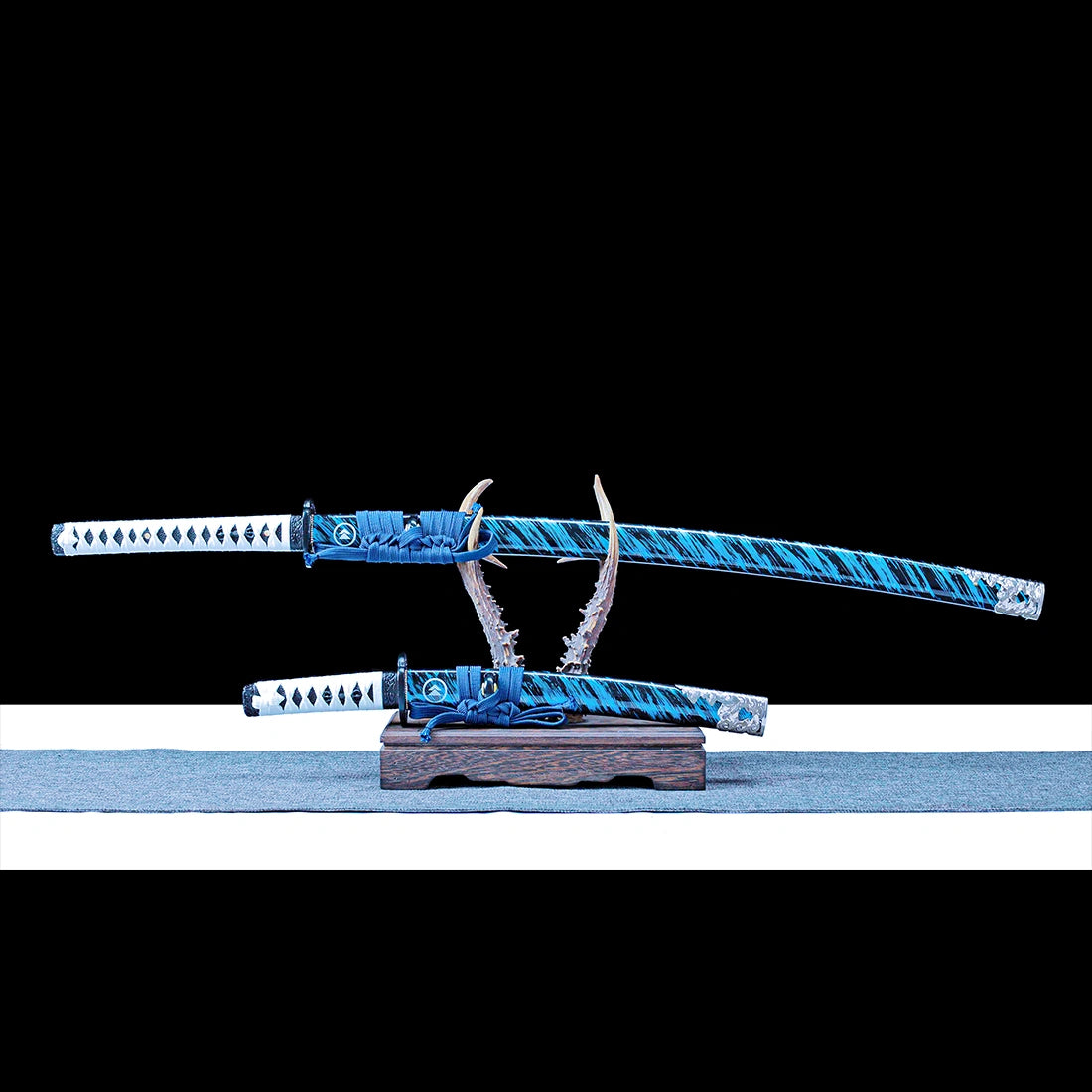
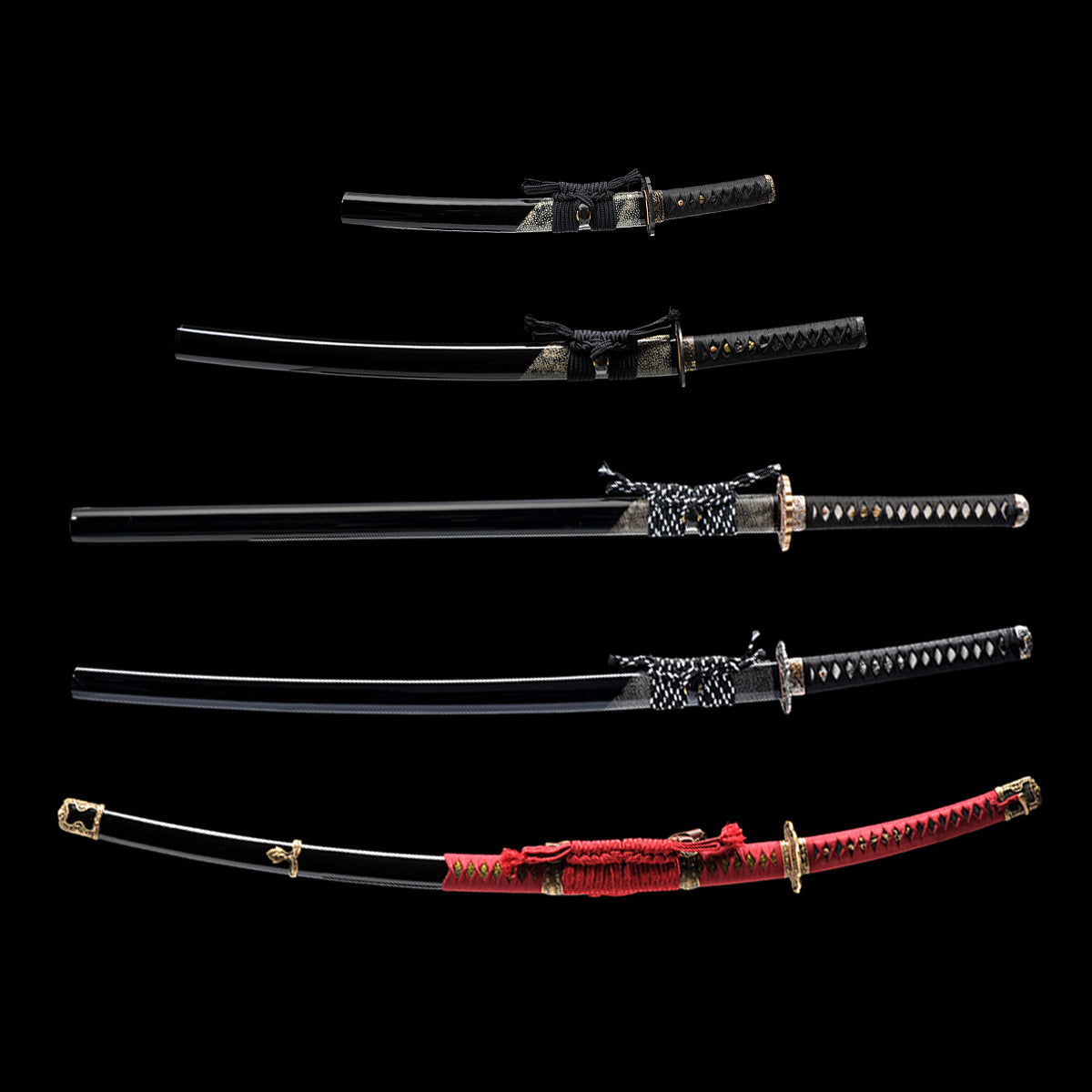
Complete Katana & Tanto "Daisho" Architecture: Pairs the primary 104 cm long katana (72 cm blade) with the secondary 52.5 cm assassination tanto (32 cm blade) to fulfill the complete dual-blade persona of Lord Sakai for high-end photography, conventions, or home display.
Ergonomic Sakai Hilt Assembly & Full-Tang Build: Authentic white ray-skin underlay wrapped tightly with blue geometric cord over custom-cast storm alloy fittings. Delivers a firm, non-slip grip that feels like drawing the blade directly from the game screen.
📐 Detailed Product Specifications
Specification
Primary Katana (Long Version)
Secondary Tanto (Short Version)
Overall Length
104 cm
52.5 cm
Blade Length
72 cm
32 cm
Handle Length
27 cm
16 cm
Blade Width
3.2 cm
3.2 cm
Blade Thickness
0.7 cm
0.7 cm
Total Weight (with Saya)
1.32 kg
0.78 kg
Net Weight (Blade Only)
1.06 kg
0.6 kg
Blade Material
Hand-Forged T10 Carbon Steel
Hand-Forged T10 Carbon Steel
Blade Hardness
58 HRC
58 HRC
Grinding Process
6-Stage Hand Grinding
6-Stage Hand Grinding
Scabbard Material
Hand-Painted Natural Hardwood
Hand-Painted Natural Hardwood
Fittings & Guard
Custom Alloy Components
Custom Alloy Components
Tang Construction
Full Tang
Full Tang
Specs
Materials & Craftsmanship:
Blade Material: T10 Carbon Steel
Scabbard Material: Natural Wood
Fittings: Alloy
Grinding Process: Six-Stage Grinding
Hardness: 58 HRC
Dimensions:
Overall Length: (Long version) 104 cm / (Short version) 52.5 cm
Blade Length: (Long version) 72 cm / (Short version) 32 cm
Blade Width: (Long version) 0.7 cm / (Short version) 0.7 cm
Blade Thickness: (Long version) 3.2 cm / (Short version) 3.2 cm
Handle Length: (Long version) 27 cm / (Short version) 16 cm
Weight: (Long version) 1.32 kg / (Short version) 0.78 kg
Net Weight: (Long version) 1.06 kg / (Short version) 0.6 kg
Free Custom Blade Engraving
Want a more personalized blade?
Get free custom engraving on your sword, including text or designs.
(Note: Hand engraving may compromise the blade's structural integrity, so only laser engraving is available.)
How it works: Simply add a note at checkout stating "engraving." We will confirm your engraving details via email within 30 minutes.
Shipping & Returns
Free Shipping Policy We offer free shipping on all orders! Your order will arrive in as little as 7 days and typically no later than 14 days.
Return Policy If you experience any issues with your order and need to return or exchange an item, please email us at support@authentickatana.com within 30 days of delivery.We’ll get back to you promptly.
Hand-painted natural hardwood scabbards featuring electric-blue storm strokes, white cloud textures, and the golden Sakai Clan family crest at the throat. Every angle delivers 100% visual fidelity, turning your sword rack or gaming sanctuary into an instant focal point that any fan will recognize.
Six-Stage Hand Polish with Bo-Hi — Hear the "Sound of Wind"
Features a traditional full-length blood groove (Bo-Hi) and a 6-stage hand-polished finish. The groove optimizes total weight and balance for swift handling, producing a sharp, loud "whoosh" sound with every practice swing—echoing Jin’s lethal quick-draw cuts in the game.
Complete Katana & Tanto Daisho Pair — Unlocks Lord Sakai’s Persona
Pairs the primary 104 cm long katana with the secondary 52.5 cm assassination tanto. It captures the exact dual-blade sidearm configuration used by Jin Sakai in Ghost of Tsushima, giving you the complete Lord Sakai setup for high-end cosplay, photography, or room backdrop.
Battle-Ready T10 Carbon Steel (58 HRC) — Not a Cheap Prop
Forged from high-grade T10 tool steel and oil-quenched to 58 HRC to ensure lethal sharpness and impact resistance. This is a real, live-blade core engineered for target cutting practice without chipping—giving you the weight and power of a authentic samurai sword, not a flimsy alloy wall-hanger.
Why Authentic Katana?
We select only the finest high-carbon steel, ensuring every blade we forge delivers true battle-ready performance.
At Authentic Katana, we take great pride in our consistent commitment to hand-forging.
At Authentic Katana, we uphold the philosophy of autonomous craftsmanship – every component is meticulously handcrafted by our master artisans.
Over 3,700verified reviews
100,000 customers and counting
As Seen In
Engineered for true fans who refuse to compromise on either 1:1 game accuracy or real-world swordmithing quality. Own the blade that saved Tsushima.
Order Now to Save.
✓ Free Shipping ✓ Free display stand & dust-proof bag included ✓ Free custom blade engraving ✓ Enjoy a 30-Day Trial ✓ 24/7 Online Support
FAQs
I'm buying this katana as a display piece. Does it come with a display stand?
Yes! We know most customers buy our katanas as stunning display centerpieces. That’s why every order includes a complimentary $30 gift bundle—featuring a solid wooden display stand and a protective cotton sword bag—so you can elegantly showcase and safeguard your sword right out of the box.
Free
Wooden Display Stand
$15 Value
Free
Cotton Sword Bag
$15 Value
Can I have my name engraved on the blade?
Absolutely! You’re welcome to have your name, a personal motto, or even a custom design engraved on the blade. We offer this engraving service completely free of charge.
Simply leave a note saying “engraving” at checkout, and we’ll contact you by email within 30 minutes to confirm your engraving details and preferred style.
What Is Jin Sakai's Sword in Ghost of Tsushima?
Jin Sakai's primary weapon in Ghost of Tsushima is the Sakai Clan Katana, an ancestral family heirloom handed down through generations of the Sakai lineage. It is carried as part of a matched traditional dual-blade set (Daisho), which includes a companion short blade known as the Sakai Tanto. While players can customize its visual appearance using various Sword Kits (Koshirae), the steel blade itself remains the permanent, canonical story weapon throughout the entire game.
Official Designation and Narrative Significance
To define Jin Sakai’s sword accurately, one must separate the weapon's canonical identity in the storyline from its cosmetic customization options:
The Canonical Name: Sakai Clan Katana
In all main narrative cutscenes, dialogue references, and blacksmith interface menus, the weapon is officially identified as the Sakai Clan Katana. Inherited from Jin's late father, Lord Kazumasa Sakai, the blade represents the military authority, familial responsibility, and honorable heritage of the Sakai samurai house on Tsushima Island.
The Default Cosmetic Appearance: Storm of Sakai
When viewing or modifying the weapon’s external mountings in the game's menu, its default, canon visual configuration is named the Storm of Sakai. While exploration allows players to unlock over 30 alternate visual skins (such as Ocean's Blessing or Heavenly Falcon), these alter only the exterior sheath and handle—the underlying metal remains the original Sakai blade.
Merchandise and Fan Terminology
Outside the game, officially licensed physical collectibles, replica manufacturers, and gaming communities frequently refer to the weapon as the Storm Blade or Sakai Storm Katana. This fan terminology combines the default cosmetic kit name (Storm of Sakai) with the overarching story theme of Jin becoming the "storm" that drives away the invaders.
The Dual-Blade Configuration: Katana and Tanto (Daisho)
Jin Sakai does not carry a single standalone weapon; his loadout is built around the traditional samurai Daisho (meaning "big and small") pairing, engineered for distinct tactical applications:
The Sakai Clan Katana (Primary Long Blade): Worn thrust through the waist sash (Obi) on Jin's left hip, edge-facing upward. This is his primary open-combat weapon, utilized for frontline swordplay, stance switching, direct duels, and parrying enemy attacks.
The Sakai Tanto (Secondary Short Blade): Mounted horizontally across the lower back of Jin's armor. The Tanto is reserved exclusively for stealth mechanics, including silent assassinations (Takemitsu), chain kills, and tight-quarters execution strikes from shadows.
Unified Aesthetics: Both weapons share identical visual motifs in their default state, featuring matching black handles, golden family crests, and dark iron fittings to maintain aesthetic cohesion across the Daisho set.
Anatomical Breakdown and Visual Identification Features
The Sakai Clan Katana is visually distinct from other blades in the game through specific traditional Japanese sword components (Koshirae):
The Scabbard (Saya): Finished in a deep, high-gloss black lacquer. Its defining feature is the solid gold Sakai Clan Mon (family emblem featuring two crossed hawk feathers) prominently embossed near the throat (Koiguchi) of the sheath.
The Handle (Tsuka): Wrapped in black silk cord (Tsuka-ito) using traditional diamond-pattern braiding over authentic white ray skin (Samegawa). The handle is secured to the full tang of the steel using bamboo pegs (Mekugi).
The Handguard (Tsuba): A custom-carved dark iron or brass guard featuring openwork scrollwork that frames the central family crest, serving to protect the user's hand during bladed deflections.
The Blade Geometry (Nagasa): Forged with a classic Kamakura-period curvature (Sori), engineered to execute sweeping draw-cuts (Iaijutsu) and fluid foot-combat strikes.
In-Game Upgrades vs. Physical Replacement
Unlike action-RPGs where players collect dozens of distinct physical swords with different damage values, Ghost of Tsushima uses a permanent-equipment model:
Irreplaceable Base Steel: The physical blade cannot be sold, discarded, or swapped for another katana found in the world.
Blacksmith Enhancement Path: Increasing combat performance—such as raising physical damage, resolve gain, or guard-break capacity—is achieved strictly by visiting Blacksmiths. Upgrading requires turning in raw materials like Iron, Steel, Gold, and Supplies to refine the existing Sakai blade across eight numerical performance tiers.
Was Jin Sakai a Real Samurai?
No, Jin Sakai was not a real historical samurai. He is a fictional character created by game developer Sucker Punch Productions as the central protagonist for the 2020 video game Ghost of Tsushima. While the game’s narrative setting—the First Mongol Invasion of Japan in 1274—is a recorded historical event, Jin Sakai, his uncle Lord Shimura, and the entire story of "The Ghost" are works of historical fiction.
The Real History: Who Led the Defense of Tsushima in 1274?
The narrative of Ghost of Tsushima begins with a desperate last stand at Komoda Beach, where 80 samurai charge against the invading Mongol force. In the game, this defense is led by Lord Shimura and Jin Sakai. In authentic Japanese history, however, the leadership and timeline differed significantly:
Sō Sukekuni : The actual historical figure who led the defense at Komoda Beach on November 4, 1274. As the Jitō (governor/land steward) of Tsushima Island, Sukekuni assembled a force of roughly 80 mounted samurai and retainers to face the initial landing of the Yuan/Mongol fleet. Sukekuni and his men were killed in battle during this initial engagement.
The Sō Clan: Historically, Tsushima Island was governed by the Sō Clan, not the Sakai Clan or Shimura Clan. The Sō family maintained political control over Tsushima for centuries, managing diplomatic and trade relations between Japan and Korea through the medieval and Edo periods.
Historical Disconnect: The Sakai Name vs. Tsushima Island
Beyond the individual character of Jin Sakai, the presence of a "Sakai Clan" on 13th-century Tsushima represents a geographical and chronological inaccuracy introduced for narrative storytelling:
Geographical Origin: The historical Sakai clan (Sakai-shi) originated in Mikawa Province (modern-day Aichi Prefecture) on the Japanese mainland, sharing genealogical roots with the Matsudaira lineage.
Chronological Emergence: The real Sakai clan did not rise to prominence as a major military or political power until the 14th and 15th centuries. They reached the pinnacle of their influence during the late 16th century, serving as senior Fudai Daimyō (hereditary lords) under Tokugawa Ieyasu during the Sengoku and Edo periods.
Zero Presence in 1274: Historical records confirm that no samurai lineage named Sakai held territory, military command, or governance on Tsushima Island during the Mongol invasions of the Kamakura Period.
Samurai Combat in 1274: History vs. Video Game Representation
To create an engaging action-adventure game, the developers combined historical facts from the 1274 Kamakura Period with tactical elements and philosophies from much later eras of Japanese history:
Primary Weaponry
In the game, Jin Sakai fights primarily on foot using a Katana, worn edge-up through his waist sash (Obi). Historically, 13th-century Kamakura samurai were primarily mounted horse archers. Their primary sidearm was the Tachi—a longer, more curved blade slung edge-down from belt cords (Ashi), engineered specifically for cavalry charges rather than rapid infantry quick-draws (Iaijutsu).
The Ideology of Bushido
Jin Sakai struggles morally with a rigid, absolute code of honor enforced by his uncle. Historically, the formalized, philosophical code of Bushido—emphasizing ritualized face-to-face honor and suicide (Seppuku) over victory—was not codified until the peaceful Edo Period (1603–1867). In 1274, Kamakura samurai were pragmatic warriors focused on archery (Kyūjutsu), tactical flexibility, and physical survival against foreign military tactics.
Stealth and Ninjutsu
Jin’s transition into "The Ghost" involves inventing stealth assassinations, throwing knives (Kunai), and poison. While basic espionage and ambush tactics existed in 1274, formalized Ninjutsu (Shinobi) combat doctrines and organized covert warfare did not emerge in Japan until the 15th century during the turbulent Sengoku Period.
Historical Inspirations Behind Jin Sakai
Although Jin Sakai himself never existed, his character development draws inspiration from real historical warfare and cultural archetypes:
Adaptation to Foreign Military Tactics: The historical Japanese response to the 1274 Mongol invasion required rapid tactical adaptation. Mongol forces utilized massed gunpowder explosives (Tetsuhō), shield walls, and coordinated volley archery, forcing local samurai to abandon individual duel challenges in favor of night raids, small-unit ambushes, and guerrilla resistance.
Minamoto no Yoshitsune: Jin’s narrative arc mirrors classic Japanese legends of military commanders like Minamoto no Yoshitsune (1159–1189), who achieved famous victories by departing from conventional battlefield etiquette and employing unexpected, highly unconventional mobility tactics.
Is the Storm Blade Jin Sakai's?
Yes, the "Storm Blade" is Jin Sakai's iconic katana, but the term itself is a widely used secondary name. In the official game lore of Ghost of Tsushima, Jin’s primary weapon is named the Sakai Clan Katana. The name "Storm Blade" (or "Storm Katana") originates from its default, canonical visual style in the game's menu, which is officially titled "Storm of Sakai," as well as from official merchandise listings and community terminology.
Clarifying the Terminology: Sakai Katana vs. Storm Blade
Understanding why players ask whether the "Storm Blade" belongs to Jin Sakai requires distinguishing between in-game narrative terms, cosmetic menu titles, and real-world product branding:
In-Game Story Identity (Sakai Clan Katana): Within the narrative, main quests, and dialogue, the sword is exclusively called the Sakai Clan Katana. It is the ancestral family heirloom passed down through the Sakai family line and inherited by Jin from his late father, Lord Kazumasa Sakai.
In-Game Cosmetic Title (Storm of Sakai): When players customize the katana's visual appearance at a sword contextual menu, its default, canonical appearance is named Storm of Sakai. While players can equip over 30 alternate cosmetic skins throughout the game, the "Storm of Sakai" set remains the permanent default look featured in official trailers, art books, and key story cutscenes.
Merchandise and Collector Name (Storm Blade): Outside the game, official licensees, action figure manufacturers, and sword replica makers almost universally brand physical recreations of Jin's weapon as the Storm Blade or Sakai Storm Katana. This commercial naming convention has made "Storm Blade" one of the most common search terms used by fans.
Thematic Symbolism: Why "Storm"?
The designation of Jin Sakai’s weapon as a "Storm" blade is deeply rooted in both the game's overarching narrative themes and real Japanese history:
The Historical Kamikaze (Divine Wind): Historically, the Mongol invasions of Japan in 1274 and 1281 were famously halted and destroyed by massive typhoons, which the Japanese described as Kamikaze (Divine Wind).
Jin Sakai as the Human Typhoon: In the game’s story, Jin Sakai embodies this elemental force. As traditional samurai tactics fail against the Mongol invaders, Jin transforms into "The Ghost"—acting as the metaphorical "storm" that sweeps across Tsushima Island to eradicate the occupying army.
Visual Motifs of the Weapon: The default "Storm of Sakai" cosmetic design reflects this elemental theme. The sheath (Saya) features a high-gloss black lacquer finish accented with solid gold, while the handguard (Tsuba) and throat (Koiguchi) display the Sakai family crest (Mon)—two crossed hawk feathers, visually symbolizing birds navigating turbulent storm winds.
Is the Storm Blade Separate from the Sakai Katana?
A common misconception among players is that the "Storm Blade" might be a distinct, secret, or unlockable sword separate from Jin's starting weapon:
Single Base Weapon System:Ghost of Tsushima does not feature multiple collectable primary swords with different combat statistics. There is no separate weapon called "Storm Blade" hidden in the world that replaces Jin's starting sword.
A Visual Skin, Not a New Weapon: Equipping or unequipping the "Storm of Sakai" style changes only the exterior sheath, handle wrap, and handguard. The underlying steel blade remains the exact same ancestral Sakai Clan Katana throughout the single-player campaign.
The Paired Sakai Tanto: The "Storm" aesthetic also extends to Jin's stealth dagger, the Sakai Tanto. When equipped with its default appearance, the Tanto matches the black-and-gold design of the katana, completing the traditional matched dual-blade set (Daisho).
What Is Jin Sakai's Katana Called?
In the official narrative of Ghost of Tsushima, Jin Sakai’s primary weapon is called the Sakai Clan Katana (or simply the Sakai Katana). When customizing its visual appearance in the game's equipment menu, its canonical default skin is officially titled "Storm of Sakai." Additionally, the main katana is paired with a companion short blade called the Sakai Tanto, together forming the ancestral Sakai family dual-blade set (Daisho).
Official Naming Conventions: Lore Name vs. Cosmetic Kit Name
Understanding what Jin Sakai’s katana is called requires distinguishing between the weapon’s canonical story designation and its visual customization options within the game interface:
The Story/Lore Name (Sakai Clan Katana): Throughout all main story cutscenes, character dialogue, and Blacksmith upgrade menus, the weapon is strictly identified as the Sakai Clan Katana. It is an irreplaceable family heirloom passed down through the Sakai samurai lineage and inherited by Jin from his late father, Lord Kazumasa Sakai.
The Default Cosmetic Name (Storm of Sakai): In the equipment menu under the "Sword Kits" (Koshirae) section, the default visual look of Jin's katana and sheath is officially named Storm of Sakai. While players can collect over 30 alternate cosmetic skins across Tsushima (such as Ocean's Blessing or Midnight Hanabi), "Storm of Sakai" remains the canon appearance used in all official trailers and cutscenes.
Secondary Fan & Collector Terminology: Outside the game, licensed merchandise, collectible action figures, and physical sword replica makers frequently refer to the weapon as the Storm Blade or Sakai Storm Katana. This popular shorthand blends the default cosmetic name (Storm of Sakai) with the katana's primary lore identity.
The Name of Jin Sakai's Companion Short Blade: Sakai Tanto
Jin Sakai’s weapon loadout is built on the traditional samurai Daisho (the matched long and short blade pairing). Consequently, discussions about his primary katana often extend to his secondary edge weapon:
Official Name (Sakai Tanto): The short dagger mounted horizontally across the lower back of Jin's armor is called the Sakai Tanto.
Functional Distinction: While the Sakai Clan Katana is used for open combat, sword duels, and stance switching, the Sakai Tanto is designated exclusively for stealth mechanics, including silent assassinations (Takemitsu) and chain executions from the shadows.
Matching Customization: Equipping a cosmetic Sword Kit applies the visual theme to both the Sakai Katana and the Sakai Tanto simultaneously, ensuring a unified aesthetic across both weapons.
Does Jin Sakai's Katana Change Names When Upgraded?
A common question among players is whether upgrading the weapon at a Blacksmith changes its official name or unlocks newly named swords:
Name Remains Constant: Upgrading the katana from Level 1 to its maximum Level 8 increases physical damage, resolve generation, and guard-break efficiency, but its official name remains the Sakai Clan Katana.
No Name Changes from Mythic Tales: Completing legendary quests (Mythic Tales) grants new combat techniques (such as Heavenly Strike) or specialized cosmetic Sword Kits, but does not rename or replace the underlying ancestral Sakai steel.
Customer Reviews
Overall rating: 5.0 / 5 from 16 reviews.
I must express my heartfelt gratitude! I purchased Jin Sakai's Katana, which originally had a white handle. I reached out to ask if they could make a version with a black handle instead, and to my surprise, they agreed without charging any extra fees. I was truly touched by this gesture! I’m incredibly thankful for the amazing katana they provided me — I really love it!
The sword and the sheath are beautiful. There is a very small chip in the blue enamel on the Katana scabbard, but nothing major.
The steel is hardened as described and the blade is pretty sharp!
I'm very satisfied.
Jury is still out. Fit and finish looks and feels good. Handle is wrapped tight, and nothing is loose yet. The finish on the scabbard is amazing. The blue is very deep and looks amazing.
Beautiful quality. This is my third Ghosts of Tsushima katana from authentic katana, and they are all great quality but this one was stunning. Couldn’t recommend this higher.
I would take a picture of my order but I cannot at this moment but I can confirm that I did receive it, the packaging was not damage in any way and I'm very happy with it. It arrived to my location within 3-5 days in a very quick manner. The product is in amazing quality with no scratches and is exactly what I paid for I 10/10 would recommend purchasing from here I got exactly what I wanted and expected for a lower price than I expected.
shipped and arrived on time and very well packaged. no damage and blades were sharp and greased and wrapped in plastic film.
highly recommend these blades and they look great on the display stand.
Beautiful craftsmanship, made strong and definitely much better quality than I expected. Fell in love with it out of the box, arrived fast and flawlessly. I am very impressed with this sword, nice work true Jin Sakai's Katana this was exactly what I was looking for, strong and beautiful! Thanks
This one is a great find. Beautiful build quality and also very affordable. It caught my eye emediately on the website, ordered it and when it arrived in almost less than a week I was not disappointed. The weight of it is awesome, really feels strong in hand.